Why Patients Trust Dental Crowns Southgate CA for Smile Restoration
@paxtoncrbz811

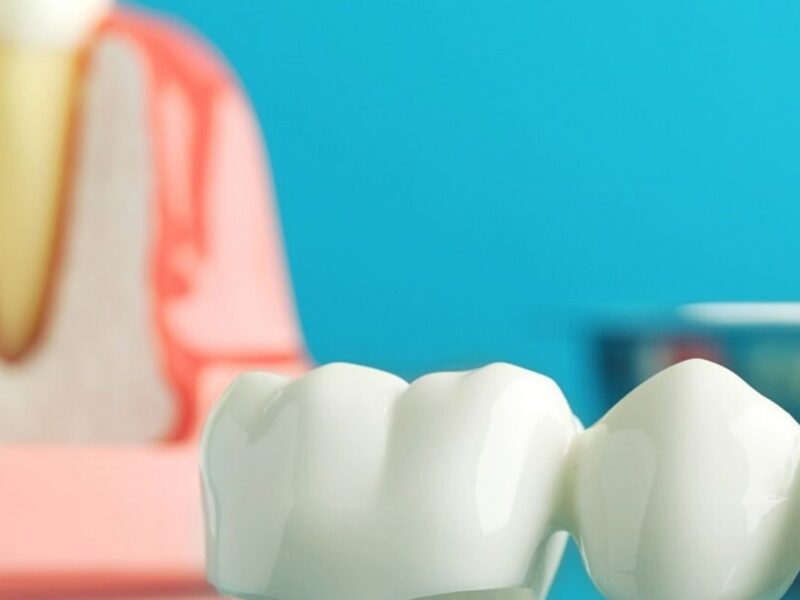
A damaged tooth changes more than a smile. It changes how a person eats, how confidently they speak, and often how comfortable they feel in everyday conversation. In a dental office, that reality shows up in familiar ways. Someone covers their mouth while Dental Crowns Southgate CA laughing. Another patient chews on one side for months because the other side hurts. A parent postpones treatment for a back tooth because it is not visible, only to learn that the crack has deepened and the tooth now needs more than a simple filling.
That is one reason crowns remain such a trusted treatment. When a tooth is weakened, worn down, heavily filled, fractured, or treated with a root canal, a crown can restore its shape, strength, and appearance in a way few other options can. For many families looking into Dental Crowns Southgate CA, trust does not come from advertising language or trendy technology alone. It comes from predictable results, practical value, and the confidence that a crown can solve both a structural problem and a cosmetic concern at the same time.
Patients tend to trust treatments that make sense. A crown is easy to understand. It covers and protects a compromised tooth, allowing that tooth to function again with far less risk of further breakdown. That clarity matters. Dentistry can feel technical from the patient side of the chair. Crowns are different. Most people quickly grasp the purpose, and once they see before and after results, the treatment feels less abstract and more like a sensible repair.
Why crowns often become the right middle ground
Many dental decisions come down to preserving what can still be saved. A small cavity may need a filling. A hopeless tooth may require extraction and replacement. Between those two points lies a large middle ground where the tooth is still worth keeping but needs more reinforcement than a filling can provide. That is where crowns earn their reputation.
A filling works best when enough healthy tooth structure remains to support it. Once decay is extensive, a fracture line is present, or an old filling has left the tooth too thin, a filling can become a temporary answer to a much larger problem. Patients who have seen a large filling fail once or twice usually understand this quickly. They are not just paying for another repair. They are trying to stop a cycle of repeated breakage.
Crowns are also trusted because they respect the long game. A dentist looking at a heavily damaged molar is not focused only on next month. The real question is whether the tooth can survive normal biting forces for years. Back teeth handle a surprising amount of pressure every day. Even people who do not grind their teeth put real stress on molars through ordinary eating. Add clenching, hard foods, or a previous root canal, and the risk climbs. In those cases, a well-made crown often gives the tooth a Dental Crowns Southgate CA better future than a large patchwork filling ever could.
The emotional side of smile restoration
Not every crown is placed on a back molar hidden from view. Front teeth tell a different story. A crown on a visible tooth can restore symmetry, repair a severe fracture, mask deep discoloration, or reshape a tooth that has become worn or misshapen over time. The patient experience there is especially personal.
People rarely talk about dental embarrassment in precise clinical terms. They say, “I do not like how this tooth looks in photos,” or “I have trained myself not to smile too wide.” That may sound minor from the outside, but it affects weddings, job interviews, social events, and daily confidence. When a crown is used thoughtfully in the smile zone, it can do more than repair damage. It can remove the self-consciousness attached to that damage.
Trust grows when cosmetic improvements do not look artificial. Patients in Southgate, like patients anywhere, want restorations that blend in. They do not want a bright, flat, oversized tooth that announces itself the moment they speak. They want a natural surface texture, a realistic color, and a shape that fits their face and neighboring teeth. Dentists who take time with shade selection, photographs, temporary design, and lab communication tend to earn stronger trust because patients can see the attention to detail before the final crown is even cemented.
What patients are really asking when they ask about trust
Most people do not walk into an office and say, “I need a biomechanically sound full coverage restoration.” They ask simpler questions. Will it hurt? Will it last? Will it look real? Am I spending money on something dependable? Those are trust questions.
A good crown consultation addresses each one plainly.
Pain is usually the first concern, especially for patients who have delayed treatment. If a tooth is cracked or inflamed, the idea of drilling can sound worse than the current discomfort. In practice, the process is often easier than patients expect. Local anesthesia is effective. Temporary sensitivity afterward can happen, but severe pain is not the norm when treatment is properly planned. Patients remember that. A smooth procedure turns anxiety into confidence.
Longevity comes next. No honest dentist should promise that a crown lasts forever. Teeth and restorations exist in a real environment that includes biting pressure, oral bacteria, diet, home care, and sometimes grinding or clenching. Still, crowns have a long track record. With good oral hygiene, regular exams, and a reasonable bite, many crowns serve patients well for a decade or much longer. What patients trust is not the fantasy of permanence. It is the combination of durability and honesty.
Appearance matters just as much, especially for front teeth. A crown can be technically acceptable and still disappoint a patient if the shape feels off or the color misses the mark. Skilled cosmetic judgment is one reason local reputation matters so much in searches for Dental Crowns Southgate CA. People want to know that their dentist does not just place crowns routinely, but places them beautifully when beauty matters.
Materials matter, but judgment matters more
Patients often hear terms like porcelain, ceramic, zirconia, and porcelain fused to metal. Material choice is important, but it is rarely the only factor that determines whether a crown succeeds. The better question is whether the chosen material fits the location, bite force, and aesthetic demands of that specific tooth.
All-ceramic crowns can look highly natural, especially in the front of the mouth where translucency matters. Zirconia has become popular because it offers excellent strength and can work well in many back-tooth situations, and increasingly in visible areas too. Porcelain fused to metal crowns still have a place in some cases, though some patients prefer metal-free options for appearance reasons.
Patients often expect a simple best-versus-worst ranking of materials. Dentistry does not really work that way. A crown for a heavily loaded molar in a patient who clenches at night may call for different priorities than a crown on a front tooth where lifelike color and light reflection are essential. Trust grows when the recommendation sounds specific rather than generic. “This material makes sense for your tooth because of your bite and the position of the tooth,” is far more reassuring than “This is what we always use.”
Fit, bite, and margin quality decide a lot
Patients tend to judge a crown by what they can feel and see. Dentists judge it by those things too, but also by details the patient may never notice directly. The fit of the crown, the way it meets the neighboring teeth, the way the bite contacts land, and the quality of the margins all influence long-term performance.
A crown that is slightly high can make chewing feel awkward immediately. A crown with poor contact can trap food. A crown margin that is difficult to clean may contribute to gum irritation or future decay around the edge. These are not dramatic failures at first. They are quiet irritations that erode trust over time.
This is why patients often trust practices that do not rush the appointment. Extra time spent checking the bite from multiple angles, flossing the contacts, assessing gum response, and evaluating the shade in natural light can make the difference between a crown that merely looks acceptable and one that feels like it has always belonged there.
Why local reputation carries so much weight in Southgate
Dental care is personal, but it is also local. People ask neighbors where they went. Families compare experiences. Someone mentions that their crown still feels perfect after years, or that a dentist handled a difficult cracked tooth conservatively and avoided an extraction. Those stories travel.
For patients considering Dental Crowns Southgate CA, trust often starts before the first visit. It begins with a sense that the office has treated similar cases well. In communities where families stay connected, that word-of-mouth factor matters more than glossy marketing ever will. A patient is far more reassured by hearing, “My mother had two crowns done there and they look great,” than by reading generic claims on a webpage.
Local trust also comes from continuity. Patients like knowing they can return to the same office if a temporary crown feels loose, if they have questions about sensitivity, or if they simply want the same dentist to monitor the work over time. Restorative dentistry is not only about the day of treatment. It is about follow-through.
The crown process feels manageable when it is explained well
Many people become less anxious when they know what is coming. A typical crown process is straightforward, even if the details vary by office and case complexity. Usually, the dentist evaluates the tooth, takes imaging if needed, removes decay or weakened structure, shapes the tooth, and captures an impression or digital scan. A temporary crown may be placed while the final one is made. At the delivery visit, the final crown is checked, adjusted, and cemented.
For patients, the most reassuring offices are often the ones that explain what they are doing in plain language as they go. They mention why a temporary matters, what normal sensitivity feels like, how long numbness may last, and when to call if something feels wrong. There is nothing flashy about that. It is simple professionalism. Yet it is one of the strongest builders of trust.
Here are the questions patients most often appreciate having answered clearly:
- How much of the tooth can still be saved?
- What type of crown is being recommended, and why?
- Will I need a root canal first, or is the nerve healthy?
- How long should the final crown reasonably last?
- What habits could shorten its lifespan?
When those questions are answered directly, treatment stops feeling mysterious.
Crowns are not always the answer, and that honesty builds credibility
One of the fastest ways to build trust is to recommend a crown only when it is truly indicated. Patients can sense when a diagnosis is thoughtful and when it feels automatic.
A small to moderate cavity may still be better treated with a filling. A purely cosmetic issue on a front tooth might be managed with bonding or veneers in some situations. A tooth with severe structural loss below the gumline may have a poor prognosis even with a crown. In those cases, pushing forward with a crown at all costs can backfire, financially and biologically.
Patients trust dentists who discuss limitations. If the tooth has a questionable crack that extends too far, that should be said. If the crown is likely to help but cannot guarantee the tooth will remain symptom-free forever, that should be said too. Candor does not weaken treatment acceptance. In many cases, it strengthens it. People would rather hear a balanced assessment than a sales pitch.
When crowns protect an investment after root canal treatment
A root canal often solves pain and infection, but it does not restore strength by itself. In fact, a tooth that has needed root canal treatment is often already heavily compromised by decay, fracture, or prior restorations. That is why many back teeth need crowns afterward.
Patients often understand this once it is framed correctly. The root canal saves the inside of the tooth. The crown protects the outside from breaking under function. Skipping the crown to save money can lead to fracture later, which may mean the root canal investment is lost.
This is a common real-world scenario in general practice. A patient feels much better after the root canal and wonders if they can wait six months or a year on the crown. Sometimes that delay is manageable for a front tooth with minimal structural loss. Often it is risky for a molar. The back tooth may not hurt, but it is vulnerable. Patients tend to trust clinicians who explain not just the recommendation, but the mechanical reason behind it.
Daily habits affect the lifespan of any crown
A crown is strong, but it is not indestructible. More importantly, the tooth underneath and the gum tissue around it still need care. Some patients are surprised to learn that crowned teeth can still develop decay, usually at the margin where the crown meets the natural tooth.
That is why post-treatment guidance matters. Home care does not need to be complicated, but it does need to be consistent. Brushing twice a day, cleaning between teeth, keeping recall visits, and using a night guard if grinding is present all help protect the restoration. Sticky candies, ice chewing, and using teeth as tools remain bad ideas whether a tooth is crowned or not.
The patients who do best long term usually share the same attitude. They see the crown as a restoration that deserves maintenance, not as a permanent fix they can forget about.
A few habits make a measurable difference over time:
- Keep the gumline around the crown clean every day
- Return promptly if the bite feels off or food traps repeatedly
- Wear a night guard if your dentist sees signs of clenching or grinding
- Do not ignore a loose temporary crown between visits
- Maintain regular exams so small issues stay small
Those steps are simple, but they protect a meaningful investment.
Cost, value, and why patients still move forward
Crowns are not the least expensive treatment in dentistry, and patients know that. Trust does not require pretending otherwise. What many patients want is a fair explanation of value. If a crown can preserve a natural tooth, restore comfortable chewing, and prevent larger treatment later, many people view it as money spent to avoid a more disruptive and expensive problem.
That said, value is not identical for every patient or every tooth. A crown on a strategically important tooth that supports chewing and bite balance may carry enormous functional value. A crown on a front tooth may deliver emotional and social value that is just as important. In both situations, patients are more comfortable proceeding when the financial conversation is clear, respectful, and free of pressure.
Transparent offices discuss not only fees, but timing, insurance limitations, alternatives, and what might happen if treatment is postponed. People trust those conversations when they feel informed rather than cornered.
The best crown work disappears into normal life
The highest compliment many patients give a crown is surprisingly plain: “It feels like my tooth again.” Not “It looks expensive,” or “It seems high tech.” Just normal. That is the mark of successful restorative dentistry. The crown blends into chewing, speaking, smiling, and daily routines without demanding attention.
That kind of result is why crowns continue to earn patient trust. They solve practical problems. They preserve teeth that might otherwise fail. They can look natural enough that even close friends do not notice them. And when they are planned carefully, placed precisely, and maintained well, they offer a reliable path back to comfort and confidence.
For people exploring Dental Crowns Southgate CA, trust usually comes down to a mix of craftsmanship, communication, and consistency. Patients want to know that the diagnosis is sound, the treatment is appropriate, the materials are well chosen, and the finished result will hold up in real life. When all of that comes together, a crown is more than a dental procedure. It is a restoration in the truest sense of the word, of function, appearance, and peace of mind.
Simple Dental South Gate
Address: 8617 California Ave, South Gate, CA 90280
Phone number: +13236896118
FAQ About Dental Crowns Southgate CA
How much do crowns cost per tooth?
In the United States, a single dental crown typically costs between $800 and $2,500 per tooth without insurance. The ultimate out-of-pocket price depends heavily on the crown material, the location of the tooth, and whether you have dental insurance coverage.
What is the downside of crowns on teeth?
The primary downside of a dental crown is that the procedure permanently removes natural tooth enamel to shape the tooth for the cap.
Why do dentists push for crowns?
Dentists recommend crowns because a large filling cannot provide enough strength when a tooth loses a major portion of its structure or faces heavy chewing pressure.